














Most SEO is built on a single assumption: that the goal is to win the click. You rank, the user clicks through, they land on your page. Every tactic — titles, meta descriptions, position tracking — exists to win that click.
Google's AI Mode, now reaching a billion monthly users, quietly breaks that assumption. When the search result is itself a synthesised answer, a large share of queries get resolved without anyone clicking anything. You can rank well and still get no visit, because the AI already gave the user what they came for — using your content as a source.
This is not the end of search traffic. It is the end of the click as the only unit that matters. The new question is not "do I rank for this query" but "am I the source the AI cites when it answers it." Those are different problems with different solutions.
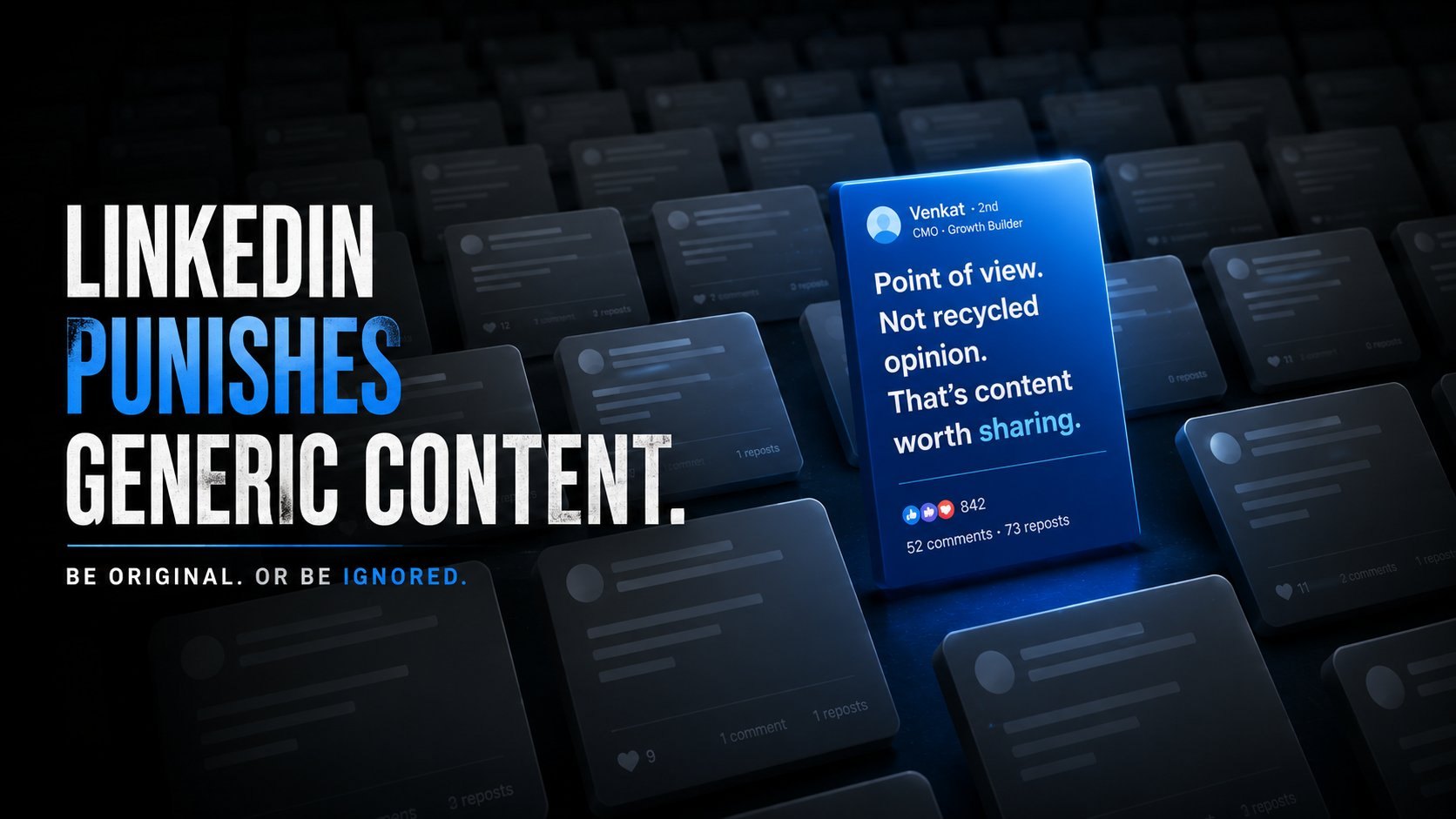
The technical shift is concrete, and most of it is unglamorous. Clean, well-structured content the model can parse. Genuine first-hand information it cannot get elsewhere — original data, specifics, real expertise — because synthesis engines preferentially pull from sources that say something the others do not. Structured data that makes your facts machine-legible. The brands losing visibility fastest are the ones whose content was already thin enough to be fully summarised in two sentences. If an AI can replace your page with a sentence, it will.
The teams panicking about AI Overviews are mostly the ones who were ranking on thin content. If your pages earned their position by actually knowing something, this shift is closer to an opportunity than a threat.